 kezhiding
kezhiding
kezhiding
Engineered for direct integration into São Paulo's complex industrial electricity grids, optimized for load stability and high thermodynamic efficiency.
São Paulo stands as the economic engine of Brazil and South America, driving key sectors such as automotive manufacturing, chemical processing, pharmaceutical production, and massive data center developments in areas like Campinas, Guarulhos, and the ABC Paulista region. However, this dense industrial consolidation presents unique electrical challenges. Modern factories rely on sophisticated CNC machinery, high-throughput automated production lines, and sensitive IT architecture that demand clean, continuous, and highly stable power feeds.
The local grid layout in the state of São Paulo features complex combinations of primary distribution voltages, ranging from 13.8 kV to 34.5 kV, with terminal voltages distributed as 127V, 220V, 380V, or 440V depending on local utilities (such as Enel SP or CPFL). This fragmentation necessitates custom stepping configurations. Moreover, grid load fluctuations, transient surges, and harmonic distortions present major operational hazards. Deploying robust dry-type transformers and precision voltage stabilizers engineered to withstand localized voltage fluctuations is critical to mitigating the risk of component degradation and costly downtime.
Worldwide, the transition toward eco-friendly and flame-retardant electrical infrastructure has accelerated. Conventional oil-immersed transformers are increasingly restricted in indoor, high-density, and hazardous settings due to fire hazards and environmental risks. Dry-type transformer technology—utilizing cast resin or vacuum pressure impregnation (VPI)—has emerged as the global standard for modern industrial facilities, urban commercial centers, and subterranean infrastructure.
As international energy regulations become more stringent, manufacturing plants must focus on reducing "no-load losses" and optimizing magnetic flux density within transformer cores. Using high-permeability grain-oriented silicon steel sheets and clean insulation material directly impacts long-term operating costs. Global suppliers must deliver scalable solutions that bridge the gap between traditional reliability and future-ready efficiency, ensuring seamless compatibility across multi-regional voltage inputs.
A world-class power solution provider backed by Kaohsiung Ding Sheng Group (Taiwan), leveraging decades of research, manufacturing excellence, and end-to-end quality management.
Based in Shenzhen's Jinbolong Industrial Zone, Shenzhen Kezhiding Electronic Co., Ltd. operates as a crucial technical subsidiary of Kaohsiung Ding Sheng Group (Taiwan). We oversee a complete industrial value chain that encompasses R&D, structural design, CNC core-stamping, precision wire-winding, insulation treatment, performance simulation testing, and specialized shipping logistics.
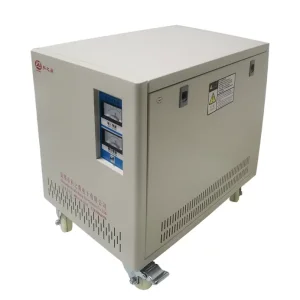
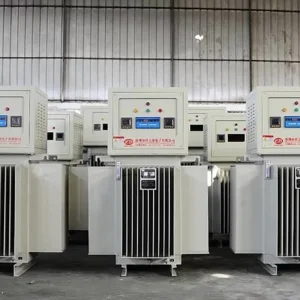
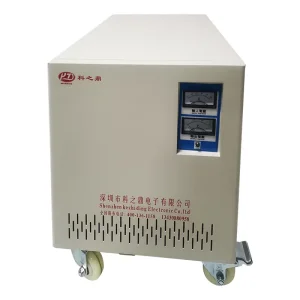
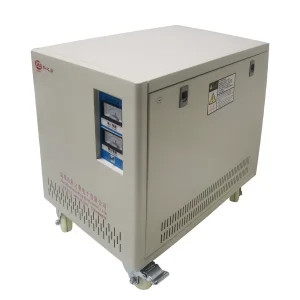
Unlike trading companies or simple assembly shops, we control every raw material feed. From high-grade copper conductors and high-permeability silicon steel laminations to structural varnishes and premium transformer oil, we guarantee that no recycled or sub-standard components enter our manufacturing pipeline. Our product portfolio is highly diversified, including dry-type transformers, autotransformers, isolation transformers, high-capacity voltage regulators (stabilizers), and integrated energy packages.
We eliminate the middleman, offering direct factory-to-site engineering partnerships. For Brazilian enterprises, this means direct access to customization services, allowing modifications to match specific input/output impedances, cooling variations, IP protection grades, and specific local frequency characteristics (60Hz default for Brazil's grids).
Our dedicated technical support team offers 24-hour availability to address complex installation challenges, thermal loading queries, and structural configurations. We track shipments in real-time and provide complete engineering documentation to simplify import processes, customs clearance, and local compliance checks.
Meeting strict regulatory frameworks ensures long-term safety, insurance eligibility, and seamless integration with Brazilian utility systems.
Our transformers are built and tested in accordance with relevant sections of the ABNT NBR 5356 (Power Transformers) and NBR 5410 (Low Voltage Electrical Installations) standards. This guarantees trouble-free inspections by municipal authorities and local insurance auditors.
To combat the high relative humidity and warm climate profiles characteristic of coastal and urban São Paulo, we implement Class H (180°C) and Class F insulation profiles. These include moisture-resistant varnish finishes and anti-fungal treatments for VPI transformers.
While global factories often build with 50Hz defaults, our models destined for São Paulo are natively optimized for 60Hz operation. This configuration minimizes hysteresis losses and prevents overheating during prolonged industrial cycles.
Tailored engineering answers to localized power requirements, ensuring maximum hardware performance and plant safety.
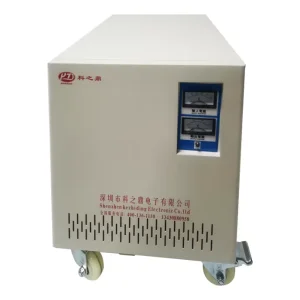
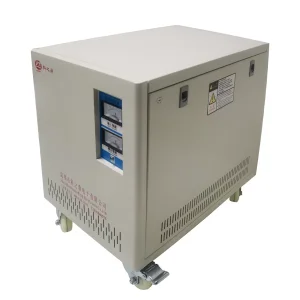
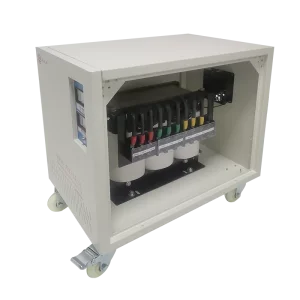
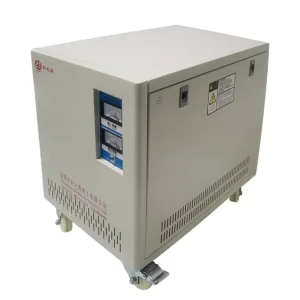
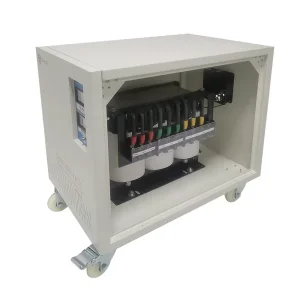
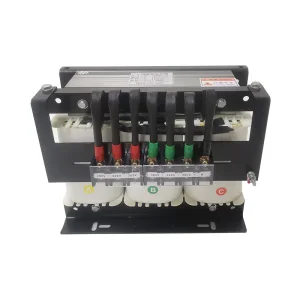
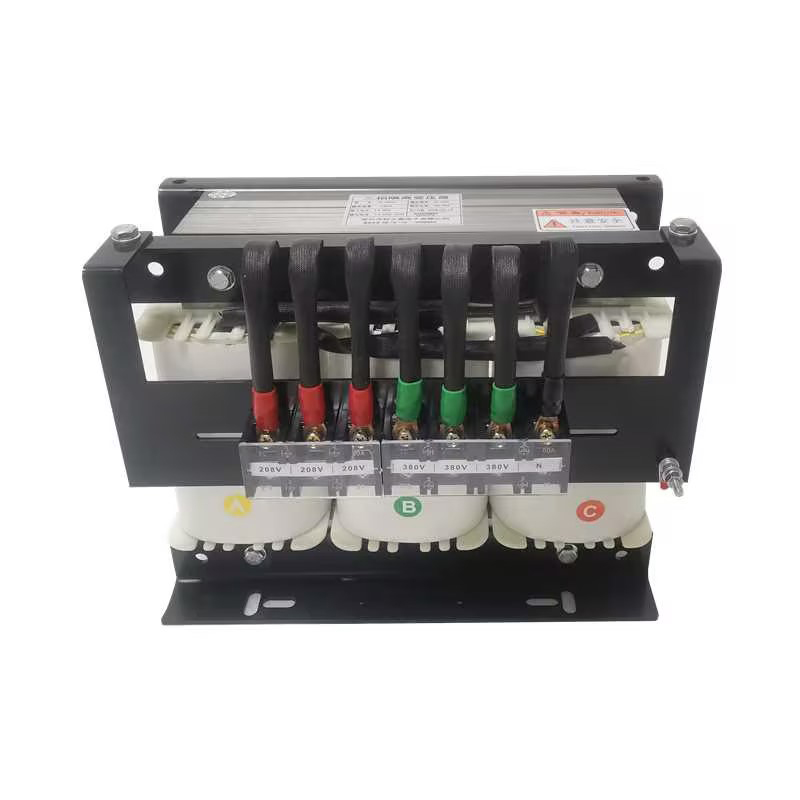
In the historic industrial municipalities of São Bernardo do Campo, Santo André, and São Caetano do Sul, complex welding robots and heavy stamping systems place heavy dynamic loads on the power grid. Our Three-Phase 380V to 220V Autotransformers resolve voltage incompatibility issues between imported manufacturing lines and local distribution parameters, delivering high efficiency and small installation footprints.
Campinas has emerged as the premier datacenter cluster in South America. For data servers, fire protection and power stability are critical. Our VPI and Cast Resin Dry Type Transformers offer Class-H insulation, preventing fire risks and eliminating the need for oil-containment structures, while supplying stable electricity for high-performance servers.
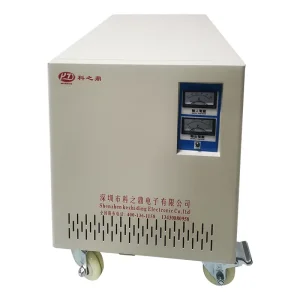
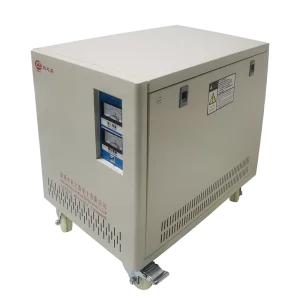
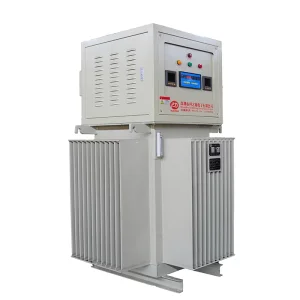
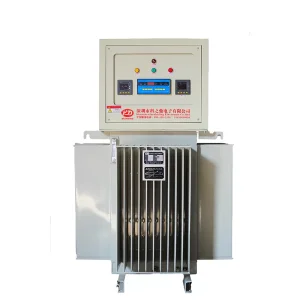
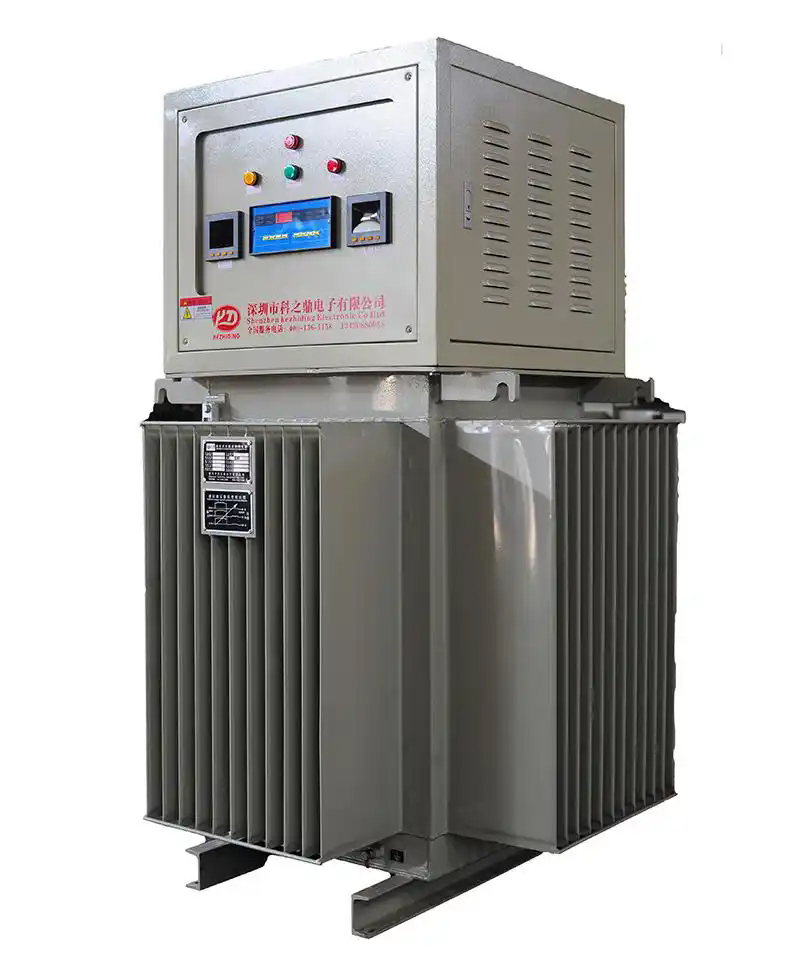
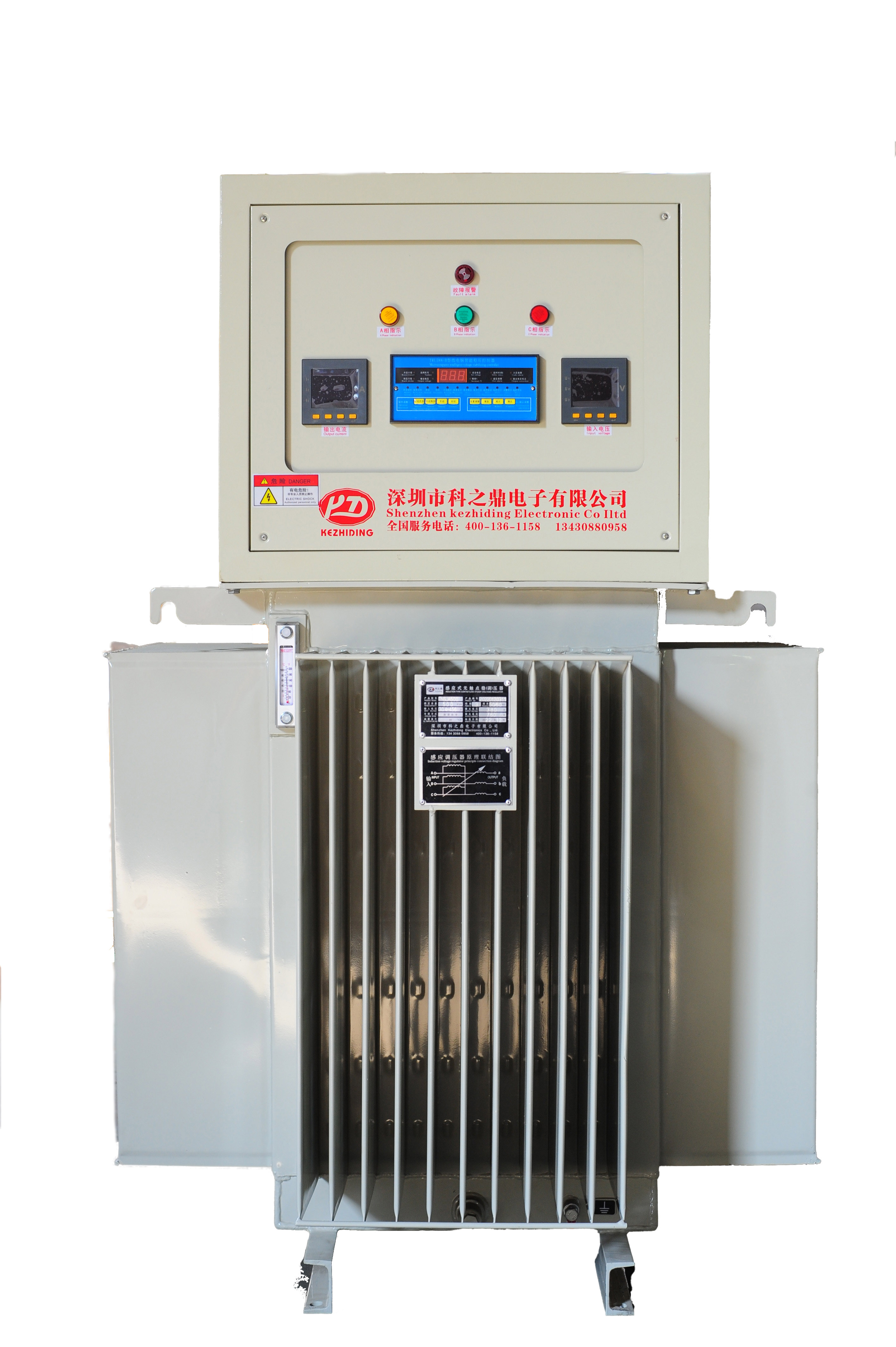
Expanding urban rail networks and tunneling structures require robust booster systems to compensate for voltage drops along extended electrical runs. Our heavy-duty Tunnel Boosters and Industrial Oil Cooled Voltage Stabilizers ensure that boring machinery and ventilation plants receive stable voltage, preventing motor torque loss.
Advanced MRI scanners, CT systems, and cleanroom HVAC networks are highly sensitive to electrical transients. Kezhiding Isolation Transformers provide reliable galvanic isolation, blocking common-mode noise and high-frequency harmonics to protect medical electronics and ensure patient safety.
Our continuous R&D focuses on integrating IoT diagnostic telemetry, sustainable insulation components, and smart grid optimization.
The future of industrial power distribution relies on intelligence and material sustainability. Shenzhen Kezhiding is developing smart monitoring nodes directly embedded in transformer winding channels. These integrated sensors feed real-time temperature, load profile, and vibration telemetry to local SCADA networks or cloud monitoring dashboards, enabling predictive maintenance schedules and preventing unexpected system shutdowns.
Furthermore, we are investigating biodegradable ester-based fluid alternatives for our oil-filled product ranges to combine traditional thermal dissipation performance with complete environmental safety. Through precise core geometry refinement and high-conductivity winding designs, our R&D roadmap focuses on pushing electrical efficiency levels beyond conventional expectations, helping Brazilian industrial partners meet international ESG and decarbonization targets.
Explore our full catalog of standard and customizable power equipment, manufactured with 100% brand-new components.
Addressing key technical questions regarding transformer selection, Brazilian grid alignment, and installation protocols.
Dry-type transformers rely on ambient air convection (often with VPI or epoxy-cast insulation) for thermal management. They are ideal for indoor installations, hospitals, high-rise developments, and metropolitan areas since they present zero risk of oil leakage or fire hazard. Oil-immersed units utilize mineral or ester oils for cooling and dielectric strength. They offer excellent heat dissipation for high-power utility substations but require containment barriers, complex maintenance, and pose potential fire risks.
Operating a transformer designed for 50Hz on a 60Hz system alters the inductive reactance. Conversely, running a unit designed purely for 50Hz under 60Hz conditions can cause changes in impedance and voltage regulation. Designing the core and windings specifically for 60Hz ensures the transformer operates at its peak efficiency, minimizes core losses (hysteresis and eddy currents), and operates within planned temperature rise profiles under Brazilian grid parameters.
An isolation transformer features separate primary and secondary windings, creating galvanic isolation between the input and output circuits. This configuration blocks common-mode noise and prevents electrical shock risk, making it ideal for sensitive diagnostic systems and IT infrastructure. An autotransformer shares a single continuous winding with intermediate voltage taps. It is more compact, cost-effective, and highly efficient for voltage transformation (e.g., stepping 380V to 220V), but it does not provide galvanic isolation.
For advanced CNC manufacturing units, we customize winding configurations, input and output voltages (e.g., matching European 400V imports to 220V or 380V local feeds), IP ratings of enclosures (IP20 to IP65), integrated thermal sensors (PT100 RTDs), cooling fan options, and low-impedance parameters to handle the transient peak currents of heavy servo drives.
As a direct physical factory operating under Kaohsiung Ding Sheng Group (Taiwan), we execute a multi-point Quality Management system. Every batch of silicon steel sheet, copper conductor wire, and structural component must pass incoming inspection protocols. We do not use recycled wire or low-grade steel laminations, ensuring our transformers consistently meet nominal efficiency specifications and operate with low thermal profiles.
Our engineering division can build customized dry-type transformers, autotransformers, and voltage stabilizers tailored to your project’s parameters. Contact us today for a comprehensive technical proposal.
Get Custom Specifications & Quote Now